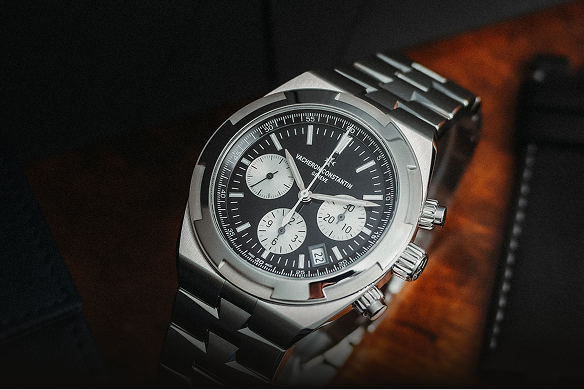
Have you ever looked closely at a luxury watch dial and noticed the word chronometer printed near the bottom? What does chronometer mean? It sounds impressive, but does it actually matter when buying a luxury watch?
We get how confusing things can get. Our team at Precision Watches put together this guide to answer your questions about chronometer watches and what sets them apart from other models.
Quick Look | What Does Chronometer Mean?
Chronometer means the watch has been officially tested and certified for accuracy by an independent organization. The watch has proven it can keep very precise time under different conditions. Not every luxury watch is a chronometer, but when you see the label, it is a sign of high quality. It’s not the same thing as a chronograph watch, which is a stopwatch function.
The History of Chronometer Watches
The idea of the chronometer goes back to the 1700s, when accurate timekeeping became essential for navigation at sea. Sailors needed reliable clocks to calculate longitude, and early marine chronometers helped make long ocean voyages safer. As watchmaking evolved, the same focus on accuracy moved to pocket watches and later wristwatches. By the early 1900s, observatories and testing institutions began formally measuring and certifying watch movements for precision.
In 1973, Switzerland created the Official Swiss Chronometer Testing Institute (COSC). The organization still certifies most chronometer watches today. Since then, the term “chronometer” has become a mark of proven accuracy and quality in modern watchmaking.
COSC – Swiss Chronometer Standard
COSC certification is still considered the main benchmark for an “official” chronometer. Some brands now use even stricter in-house tests, but COSC remains the most widely recognized standard in the watch world. COSC tests the watch movement before it is placed in the case.
The testing lasts about 15 days and checks the accuracy of the movement under different positions and temperatures.
- To pass, a mechanical watch must stay within -4 to +6 seconds per day.
- Over 1 million Swiss watches earn COSC certification each year.
- That is less than 10% of all Swiss watches exported.
- Only about 1 in 5 mechanical Swiss watches are certified as a chronometer.

What Makes a Chronometer Different From Another Watch?
The main difference is accuracy. A chronometer watch has been carefully tested to make sure it keeps exact time. While most of us don’t need this level of precision for navigation at sea, today it stands as a sign of thoughtful engineering.
Chronometer watches are crafted with extra care, featuring finely adjusted movements that require time and expertise to perfect. That attention to detail makes them appealing not just to wear, but also to collect. Because they combine strong performance, limited production, and detailed craftsmanship, chronometer watches often hold their value well and are respected pieces in any collection.
Chronometer vs. Chronograph | What’s The Difference?
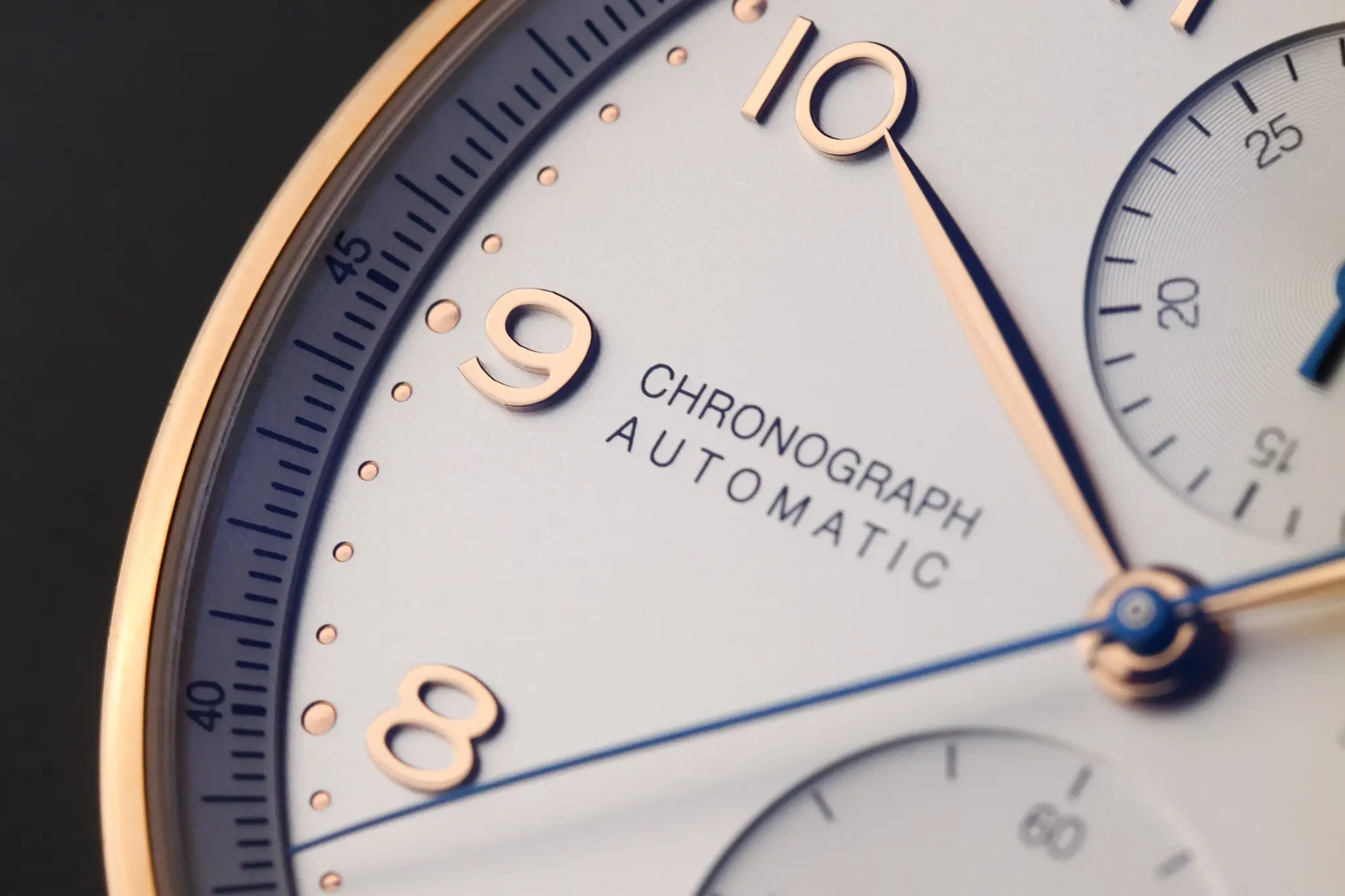
These two words sound almost identical. A lot of our customers get them mixed up. In reality, they describe two completely different things. Here’s how we like to explain the difference to people in our showroom.
- A chronometer means the watch has been tested and certified to keep very precise time.
- A chronograph is a feature. It refers to a watch with a built-in stopwatch function.
You can check out a list of our team’s top chronograph watches. Some watches are both chronometers and chronographs, but many are just one or the other.
Which Brands Make the Most Chronometer Watches?
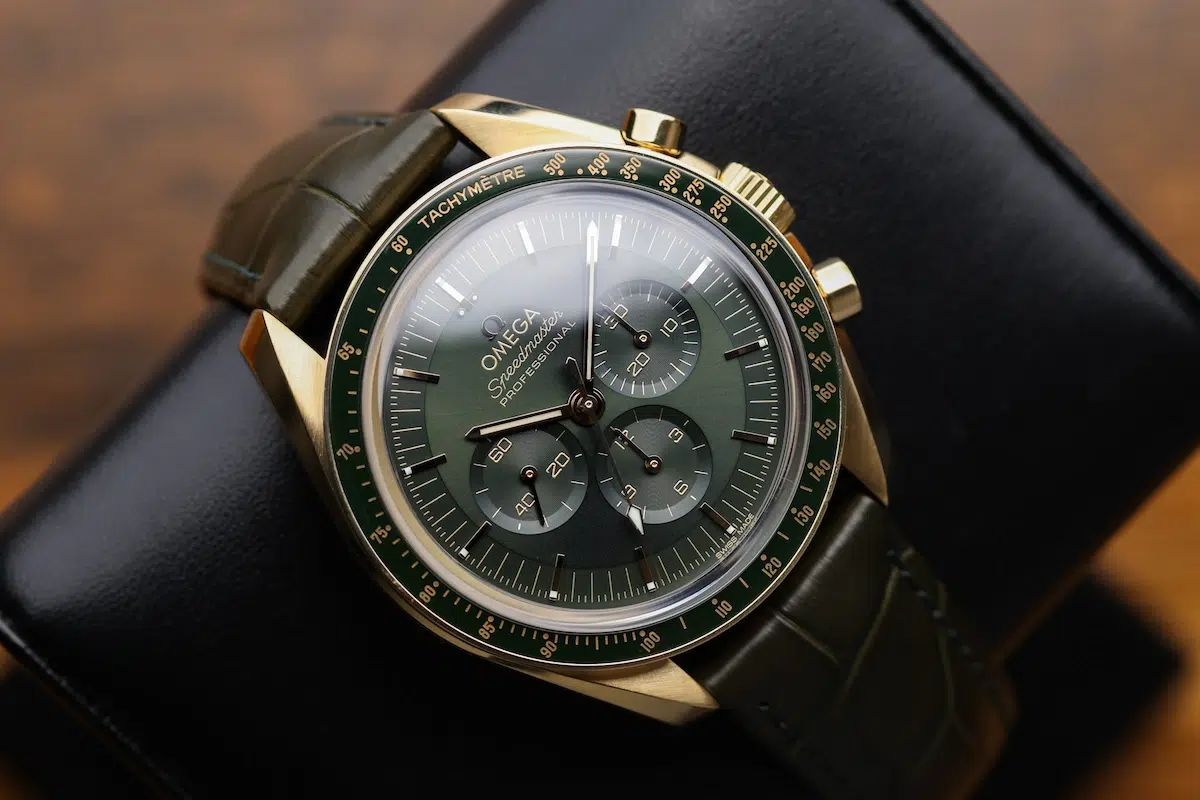
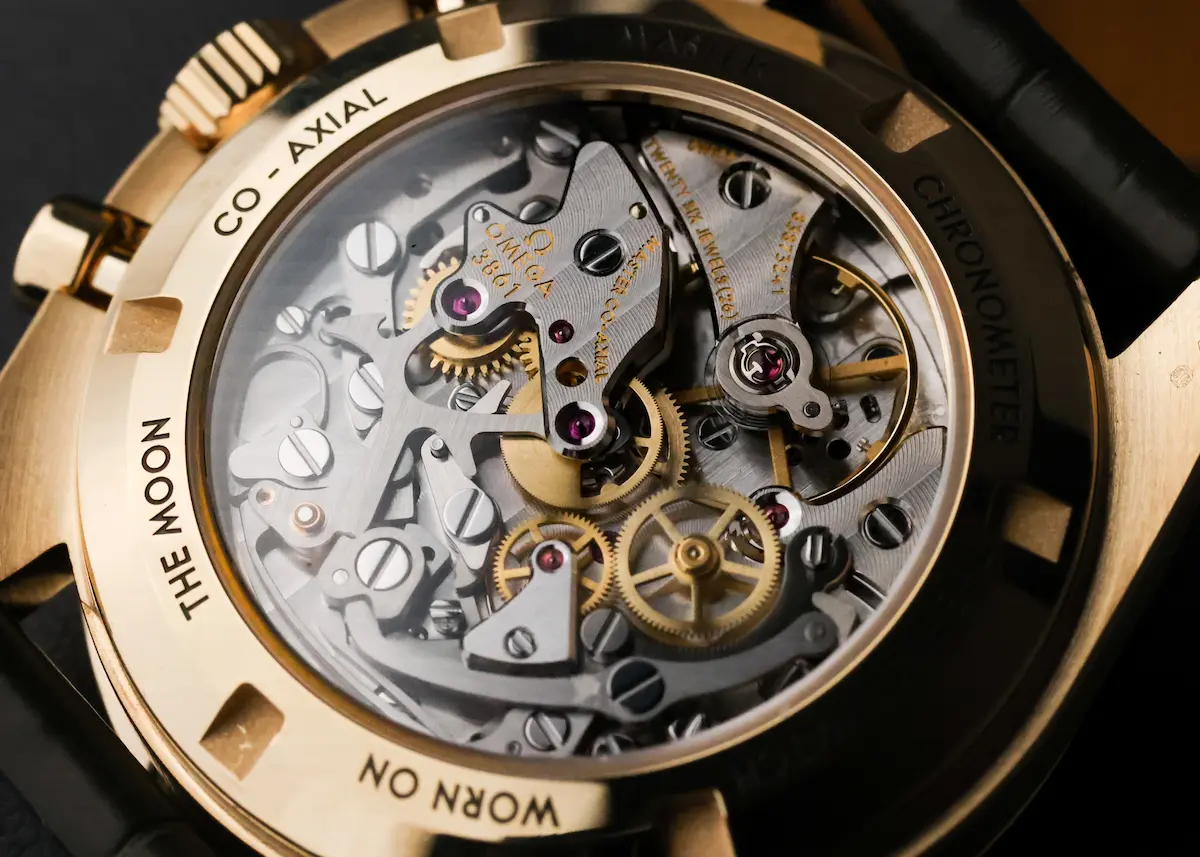
Some brands are especially known for producing large numbers of chronometer-certified models. Omega watches are a great example. Many of its watches go through both COSC testing and the brand’s own additional checks, so buyers know they are getting reliable timekeeping. Some Tudor collections are known for undergoing chronometer certification.
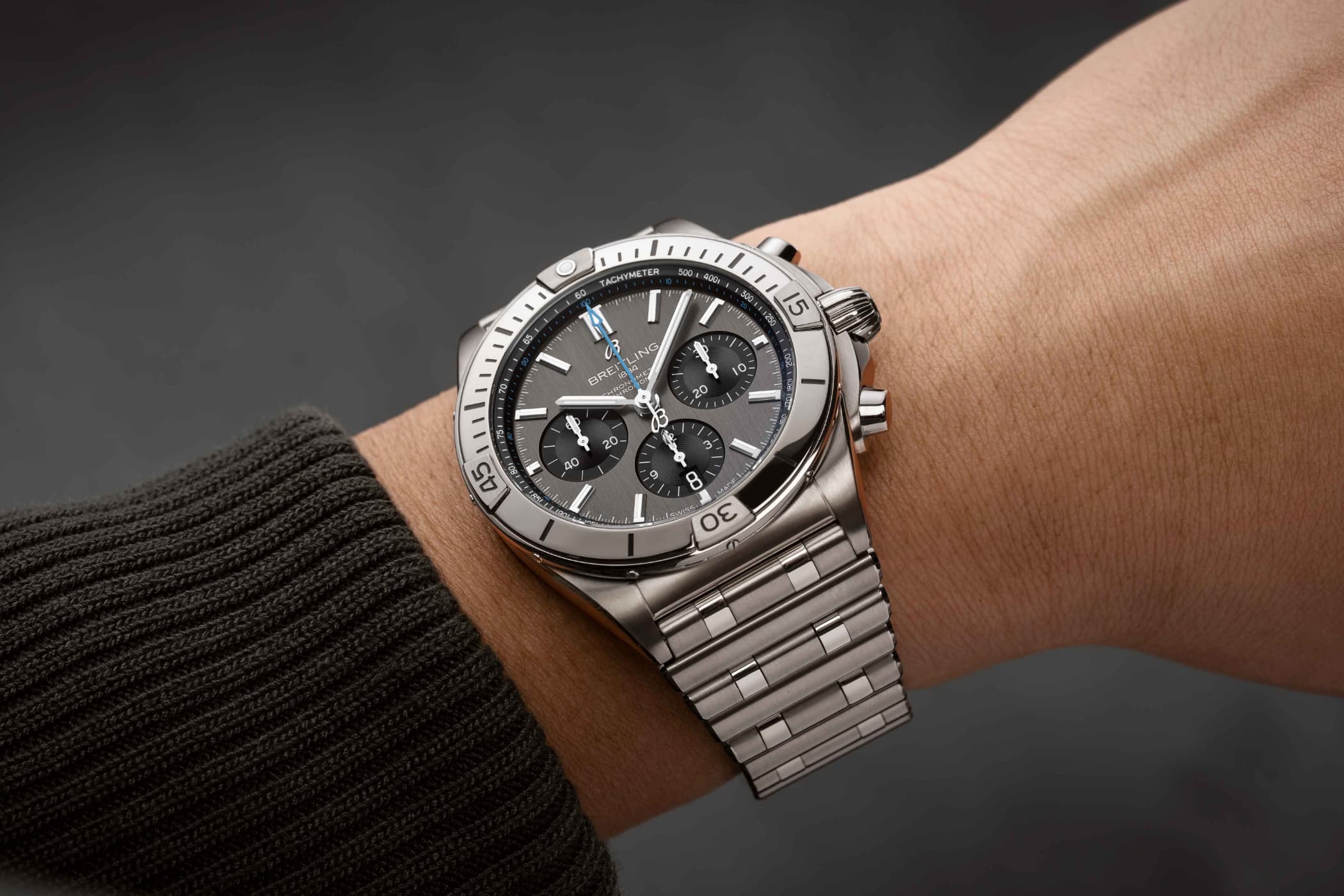
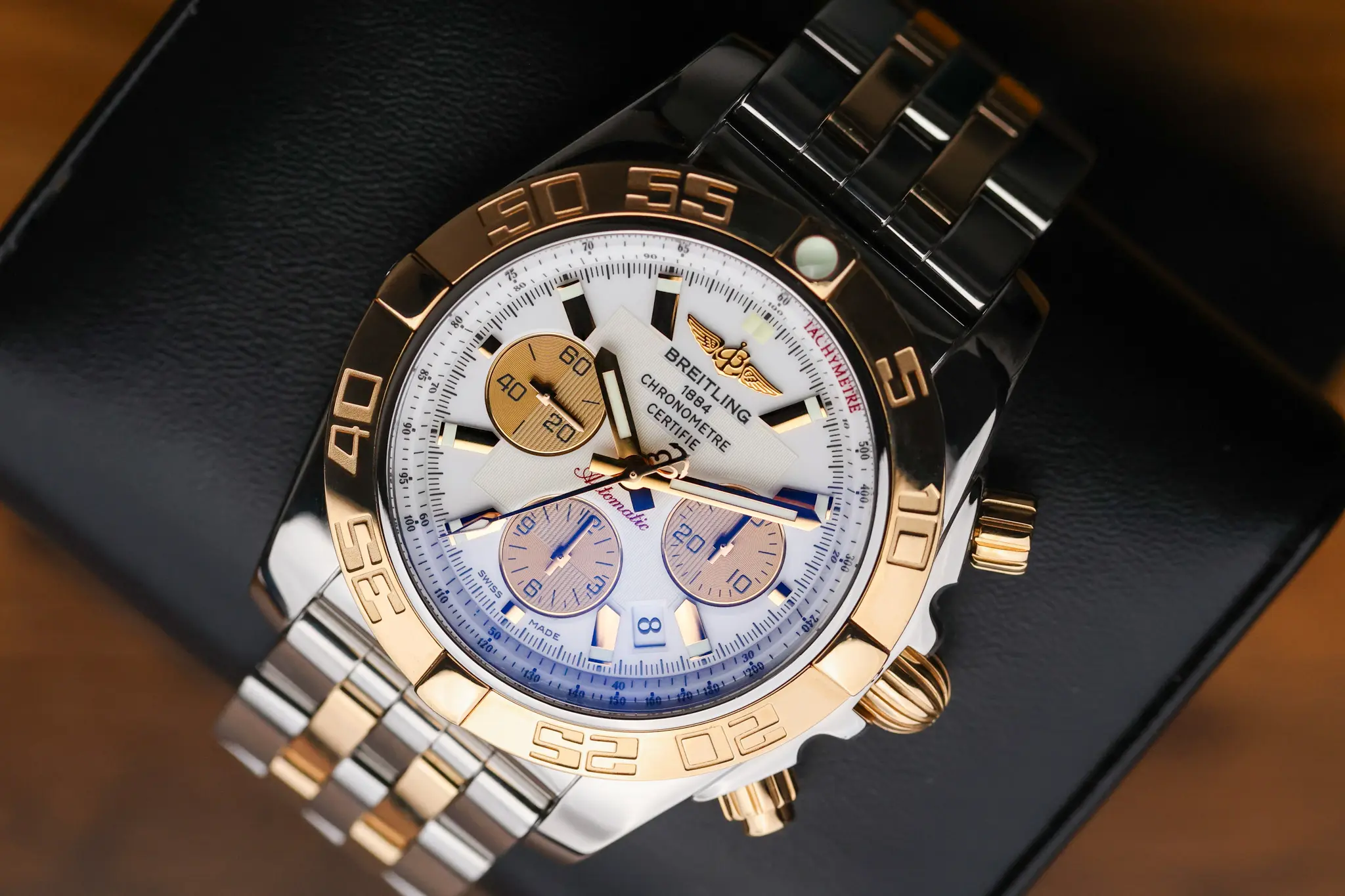
Several certified Breitling watches are a big part of the brand’s identity. You see it more often with pilot models and sports watches. If accuracy is high on your list, these are great brands to start with.
Find Your Next Chronometer at Precision Watches
Looking for a chronometer-certified watch and want to understand what accuracy standards really mean in everyday wear? At Precision Watches, we work with chronometer movements daily and help collectors and first-time buyers alike understand the differences that actually matter.
If you have questions about certification standards, movement performance, or long-term care, our team is always happy to help you compare options and make an informed decision.

FAQs
What does chromoneter mean on a watch?
It means the watch has been officially tested and certified to keep very accurate time. A certified chronometer is designed to stay within a few seconds per day.
Do chronometer watches hold their value better?
Often, yes. Certification adds credibility and appeal for collectors, which can help support resale value, especially from well-known brands.
Does chronometer certification apply to the whole watch or just the movement?
The certification is given to the movement itself before it is placed in the case. Some brands also test the fully assembled watch afterward for extra reassurance.
Will I notice the difference between a chronometer and a regular watch?
You might not notice it day to day, but over time the difference adds up. Chronometers tend to drift less, so you will adjust the time less often.
Do chronometer watches need special care?
No. You care for them the same way as any other mechanical or quartz watch. Regular watch servicing helps keep it performing well.