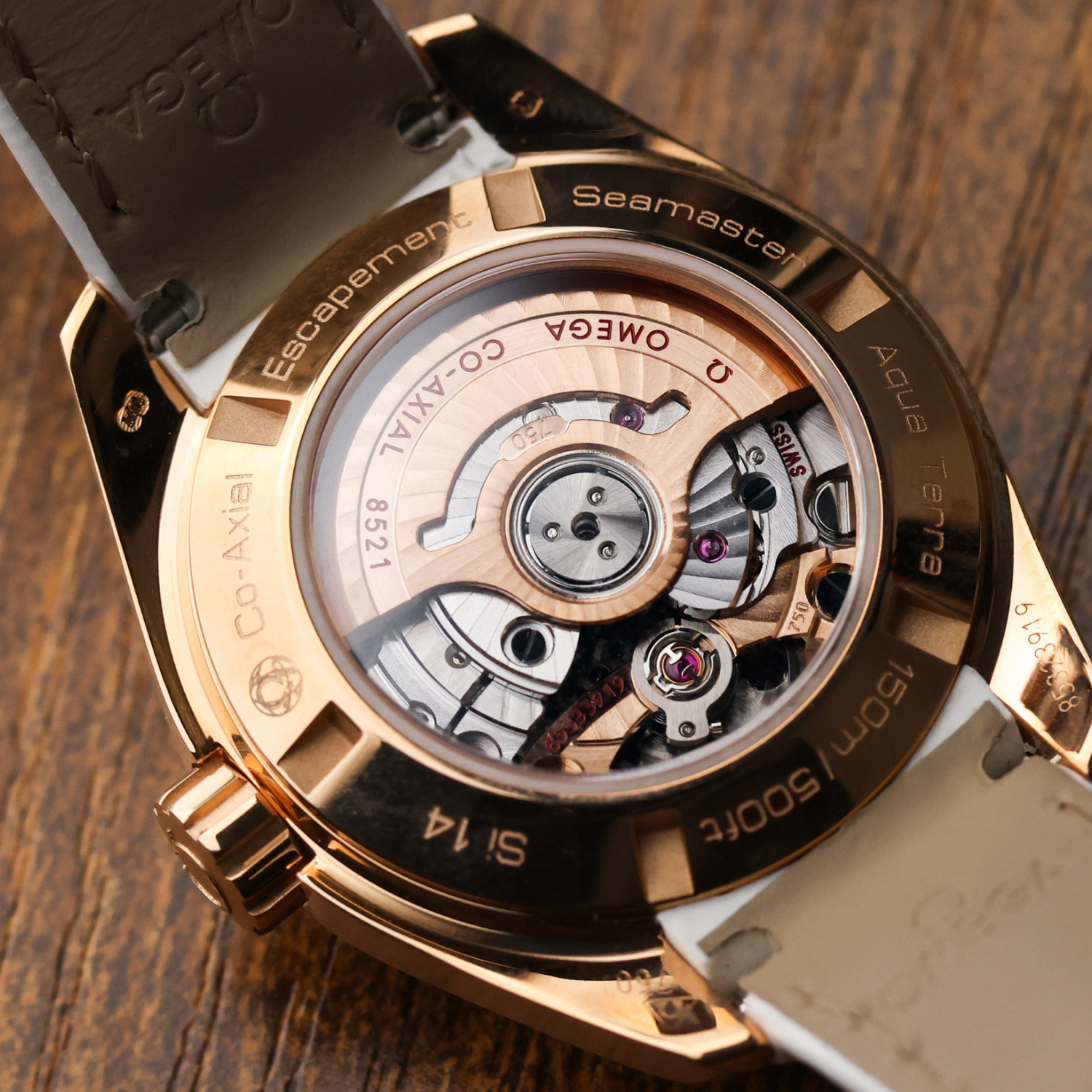
If you have a luxury automatic watch, you want to do everything you can to ensure it doesn’t get damaged. You may wonder if that means keeping it away from magnets. Can magnets damage automatic precision watches?
The answer to that question is more complex than it may seem. This article will explore all aspects of magnets and automatic watches so you can be prepared.
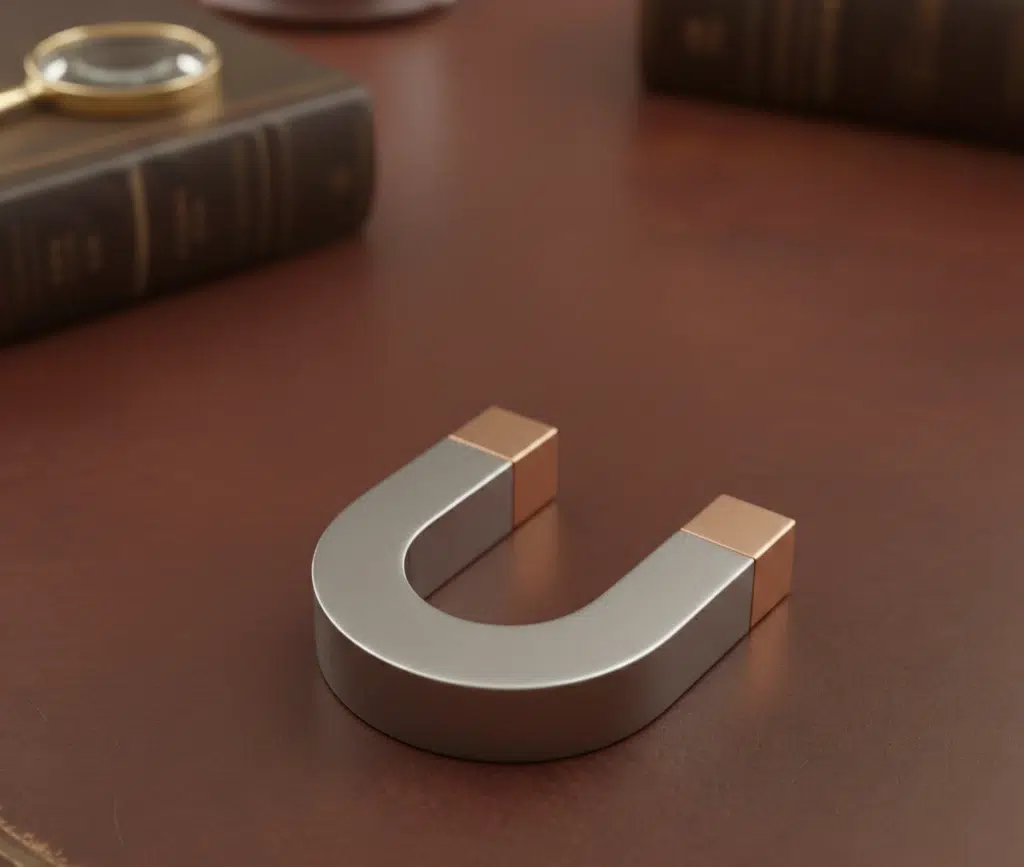
Can Magnets Damage Watches?
The short answer? Yes, magnets can damage watches, especially if the watch lacks anti-magnetic features. Let’s start by assuming your watch is not anti-magnetic and explore the impacts of magnets on these timepieces.
Automatic watches contain various metal components. Most notable are the balance wheel, which rocks back and forth to regulate the watch’s speed, and the hairspring, which determines how long each oscillation lasts and thereby regulates the timing.
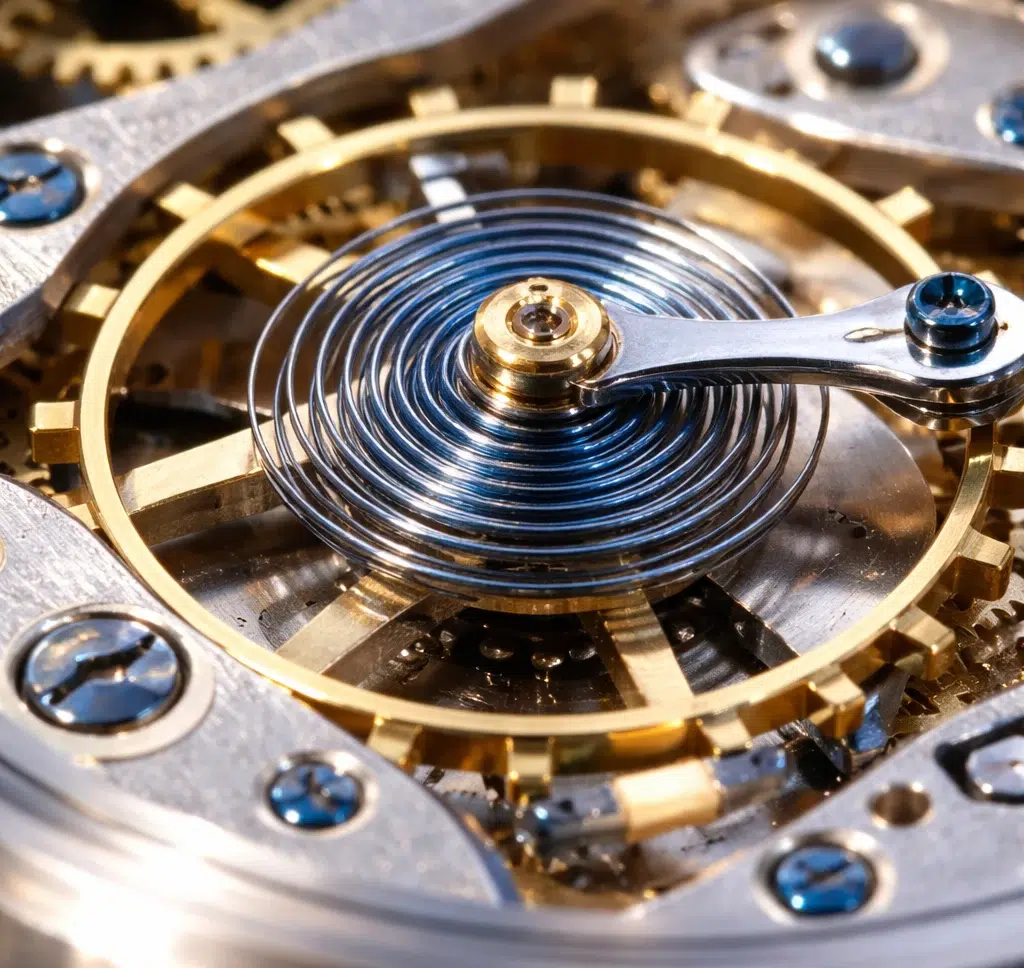
When the watch encounters a magnetic field, the hairspring coils stick together, causing the watch to run fast or stop completely. The magnet can also affect other steel parts in the watch, attracting debris and causing friction and abrasion, which can impact long-term wear.
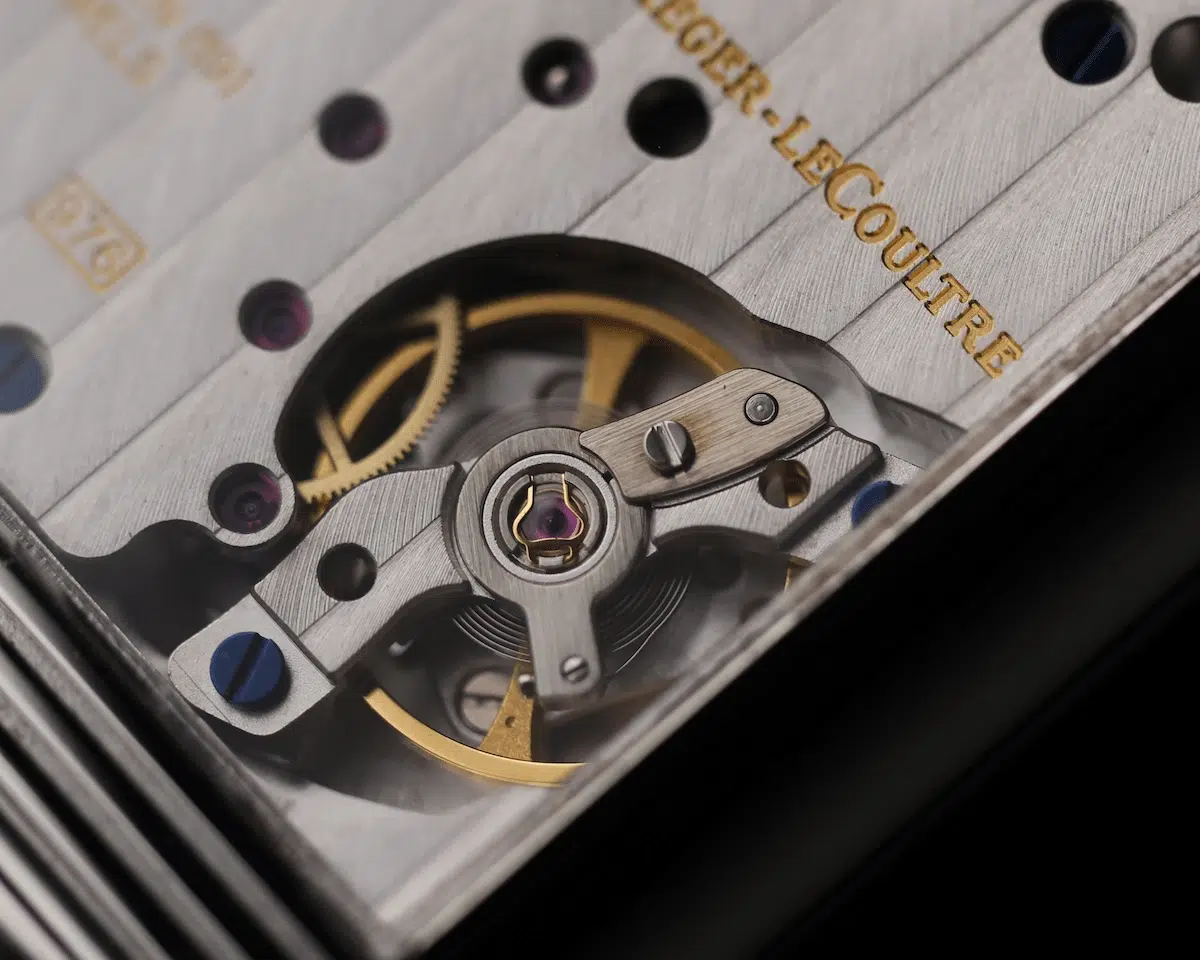
What Type of Exposure Causes Damage?
Automatic precision watch magnetism can come from various sources, including:
- Phones
- TV speakers
- Fridge doors
- Microwaves
- Hairdryers
- Handbag clasps
- Electric motors

So, you see, various items you interact with every day can damage your watch. Is the risk really that bad? Well, here are some factors to consider. Most watches meet the anti-magnetic standard of ISO 764, giving them a survival field of 60 gauss. However, magnetic resistance is only one part of overall timekeeping performance. Many luxury watches are also tested for precision by organizations such as the Contrôle Officiel Suisse des Chronomètres (COSC), which evaluates how accurately a movement performs under controlled conditions before it can be labeled a chronometer.
Here are some real-world comparisons:
- Small fridge magnet: 50-100 gauss
- Purse clasp: 50-100 gauss
- Phone tablet/speaker magnet: a few hundred gauss
- Laptop, handbag clasps, wireless chargers, small tool motors: several hundred gauss
And exposure to the magnetic field does not need to be long to cause damage. For example, if you set your watch directly on a speaker, magnetic clasp, or strong fridge magnet for a few seconds to a minute, you may damage it. Long and repeated mild exposure also adds up.

Can I Demagnetize My Watch?
Yes, there are options for demagnetizing your watch:
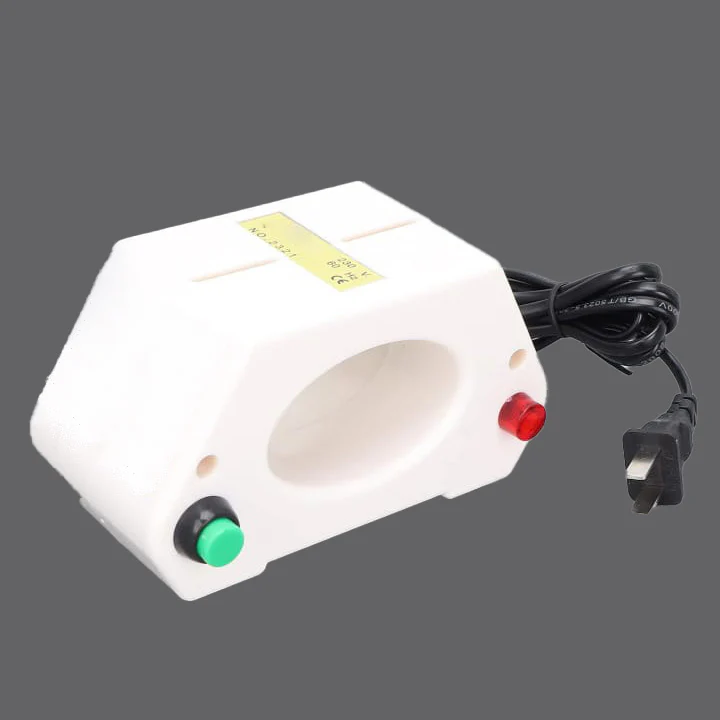
A Watch Demagnetizer
You can use a watch demagnetizer to restore your watch’s magnetism. These can be purchased online for around $15 to $40.
Using it typically involves moving the watch over the device when it’s activated. However, each unit has specific instructions that you should follow closely to ensure the best results.
Watch demagnetizers don’t need to be used right away to fix your watch, but the sooner the better. If the watch runs poorly over the long term, other components may become damaged.
Professional Service
Watch demagnetizers are convenient, but they don’t always work. This could be the case if there’s a bent hairspring, a coil has shifted out of place, or if other parts need replacement, typically due to exposure to an extremely strong magnetic field. In these instances, you’ll need to take your watch in for professional service.
An experienced watchmaker can determine whether the issue is simple magnetization or if deeper movement regulation is required. A qualified luxury watch repair specialist may use a professional-grade demagnetizer, re-form the hairspring, or replace affected components. If more extensive damage is present, a full service may be necessary.
What If My Watch is Anti-Magnetic?
Fortunately, there are various anti-magnetic watches on the market, ensuring optimal protection. They work in different ways, as follows:
- Some watches are made with shields that redirect magnetic fields away from the movement.
- Others contain components made of materials that resist magnetism.
Anti-magnetic watches are designed for people who work around magnets, such as:
- Engineers and technicians
- Scientists and lab staff
- Medical and imaging staff
- Aviation and transport workers
- Industrial and workshop workers
They could also be beneficial to anyone who spends a lot of time around speakers, amps, studio gear, magnetic clasps, laptops, tablets, and magnetic phone cases. However, everyday wearers should be able to keep their watches safe by taking the necessary precautions.
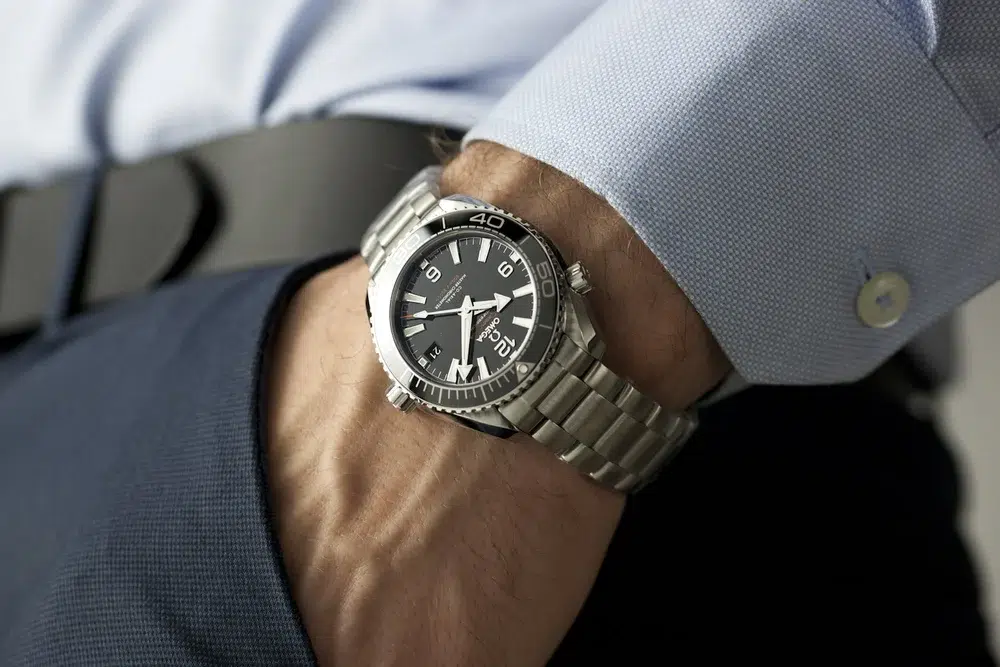
Some modern watches go far beyond the standard 60-gauss ISO rating. For example, Omega’s Master Chronometer models, including the Omega Planet Ocean 600M, are tested to withstand magnetic fields up to 15,000 gauss. That level of resistance dramatically exceeds what you would encounter from everyday magnets like speakers, handbag clasps, or wireless chargers.
Precision Watches Offers Assistance with Magnetic and Antimagnetic Timepieces
Navigating magnetism, anti-magnetic engineering, and overall movement performance can feel technical- especially if your watch has already started running fast. Our team evaluates these issues every day, from simple demagnetization to full mechanical servicing when needed.
If you’re comparing anti-magnetic models or simply want clarity on how your current watch is performing, we’re happy to walk you through the details in person. You can explore our current selection online or visit our showroom in Lower Gwynedd Township to speak directly with a specialist and get a clearer understanding of your watch’s condition and options moving forward.

FAQs
How can I tell if my watch is magnetized?
There are three simple ways to tell if your watch is magnetized, as follows:
- Hold a compass near your watch. If the needle deflects, your watch is magnetized.
- Use magnetometer phone apps like LEPSI (iPhone) or Physics Toolbox Magnetometer (Android) to measure the field.
- Observe your watch to see if it starts suddenly gaining time.
Can magnets permanently damage my automatic watch?
In most cases, magnets will not permanently damage your watch. Typically, the watch can be fixed. However, permanent damage could occur if the watch is exposed to extremely strong magnetic fields.
Are automatic watches more vulnerable to magnets than quartz watches?
Yes, mechanical and automatic watches are more vulnerable to magnetic interference than quartz watches because they use a steel hairspring and other ferrous components. Quartz watches use quartz components, which may be affected by extremely strong magnetic fields but typically return to normal once removed from that field.
Can magnets actually break parts inside my watch?
It is extremely rare for magnets to break components inside your watch. It may occur if your watch is exposed to very strong magnetic fields. However, in most cases, broken parts come from shock.
Do I need to worry about magnetism if my watch is antimagnetic?
If your watch is antimagnetic, you don’t have to worry about everyday incidents damaging it. However, it’s still not wise to deliberately stick it near a strong magnet or bring it near industrial fields.