Zenith vs Omega is a genuinely interesting matchup, because both brands can point to the exact same year, 1969, as a defining moment in their history. That single coincidence shapes a lot of how people compare them today. Both are serious Swiss chronograph makers with real engineering behind their names. Where they differ is in how widely that reputation has traveled.
This comparison breaks the two brands down by what actually matters when deciding where to spend: price, movements, design, resale value, and which watch suits which buyer.
Price and Positioning
Zenith’s current lineup, built around the Chronomaster and Defy collections, generally runs from $8,000 to $12,000 for steel chronographs, with select pieces and precious metal references climbing higher. Omega’s core lineup, the Speedmaster Moonwatch, Seamaster 300M, and Aqua Terra, typically sits in a similar $5,000 to $10,000 range, with Omega’s entry point usually landing a bit lower than Zenith’s.
That difference in accessibility shapes who buys each brand. Omega watches are frequently a buyer’s first serious Swiss watch, the name that shows up when someone starts researching beyond a fashion brand. Zenith tends to attract a buyer who already knows the category and wants a name built almost entirely around chronograph engineering, rather than a broader lifestyle brand with sport, dive, and dress lines.

Movements
Zenith’s movement story centers on the El Primero, first introduced in 1969 as one of the earliest automatic chronograph calibers ever built. The high-frequency movement runs at 36,000 vibrations per hour, which allows it to measure elapsed time down to a tenth of a second, a genuine technical advantage over most standard chronograph movements running at a lower beat rate.

Omega’s movement story centers on the co-axial escapement, which reduces friction between moving parts and supports longer service intervals. Every current Omega mechanical watch carries METAS Master Chronometer certification, an independent testing standard that checks accuracy and magnetic resistance well beyond standard COSC requirements. Zenith does not currently offer an equivalent independently certified standard across its lineup, though the El Primero’s high-frequency architecture remains one of the more technically distinct chronograph movements in the industry.

Design and Identity
Zenith’s identity is built almost entirely around the chronograph and the El Primero name. The Chronomaster line carries a tri-color subdial layout that has become instantly recognizable to collectors, while the Defy collection pushes into a more modern, skeletonized, high-frequency direction. It is a narrower design language than Omega’s, but a deeply consistent one.

Omega’s identity spans space exploration and diving, built on the Speedmaster’s Moon landing history and the Seamaster’s decades as a dive watch and, later, a James Bond association. That breadth gives Omega wider public recognition, since the Speedmaster and Seamaster read clearly to people well outside the watch hobby, where Zenith’s name carries more weight specifically among collectors.
The Flagship Matchup: Chronomaster vs Speedmaster
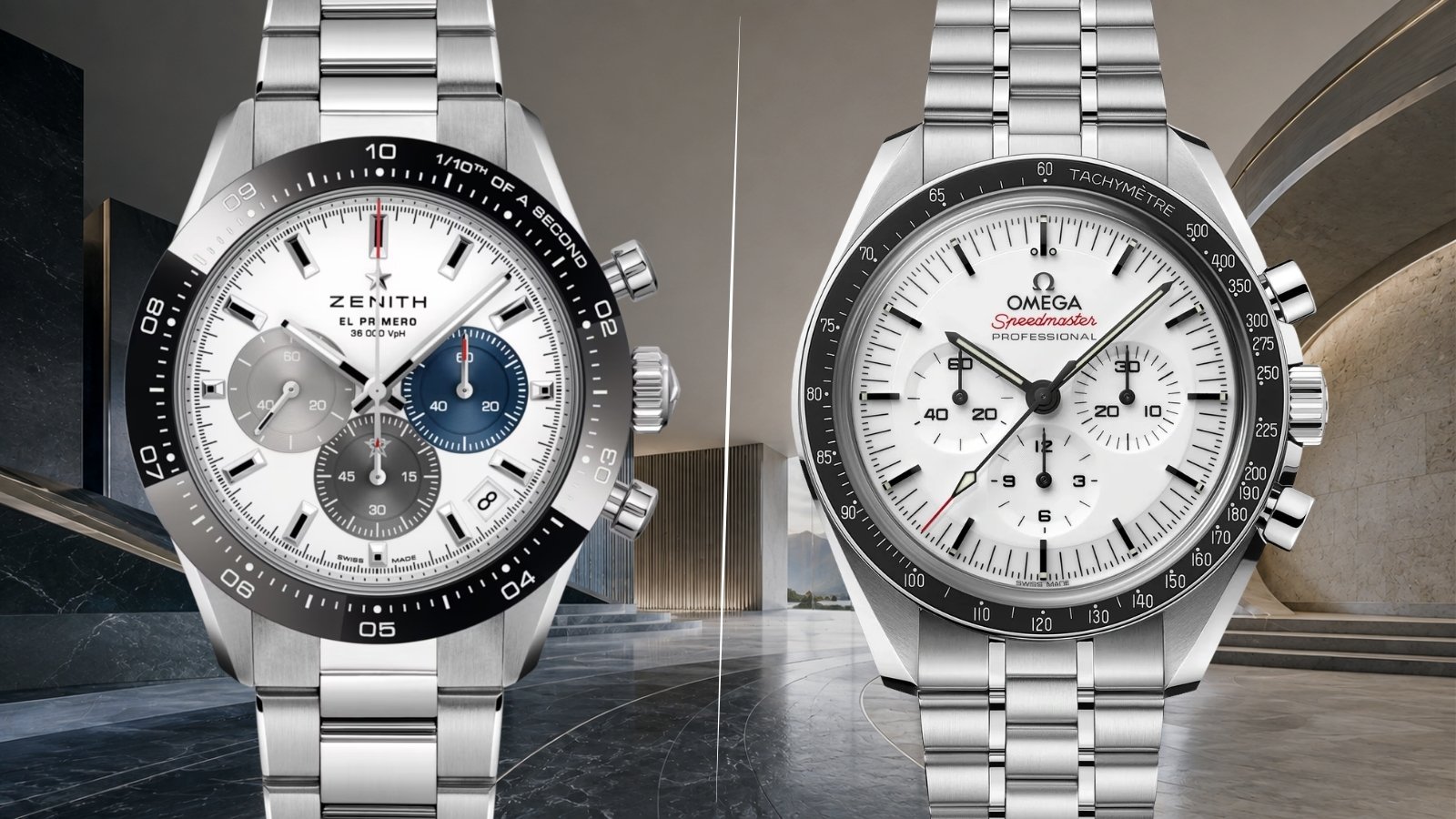
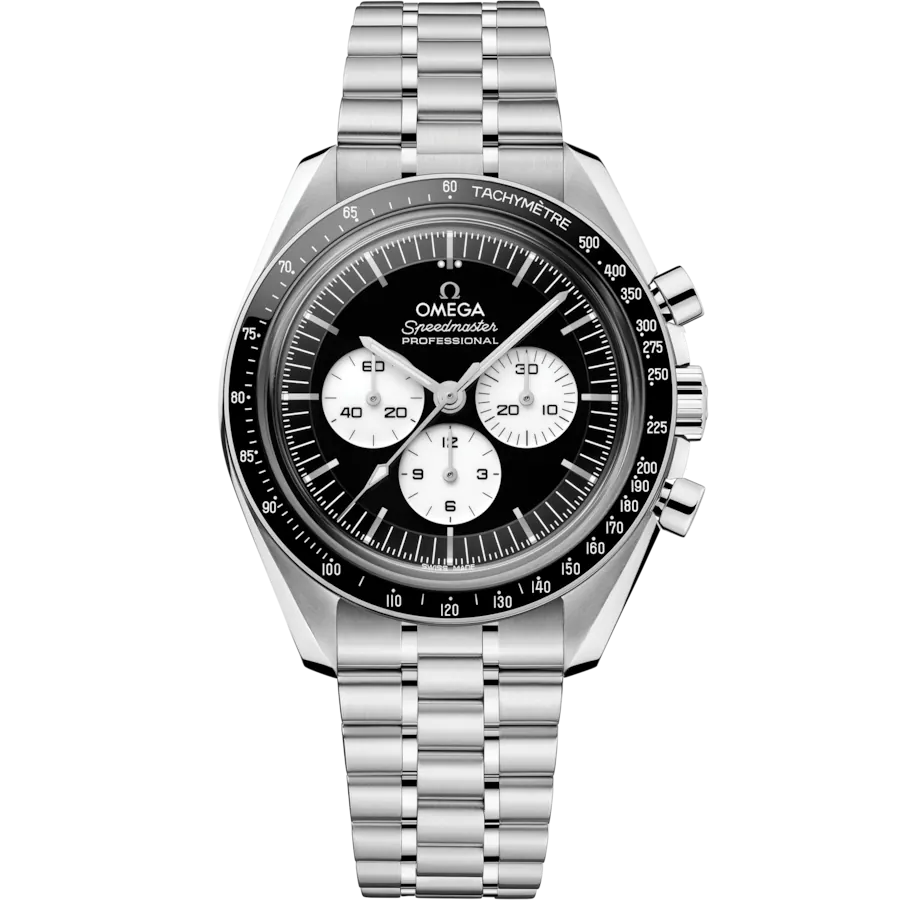
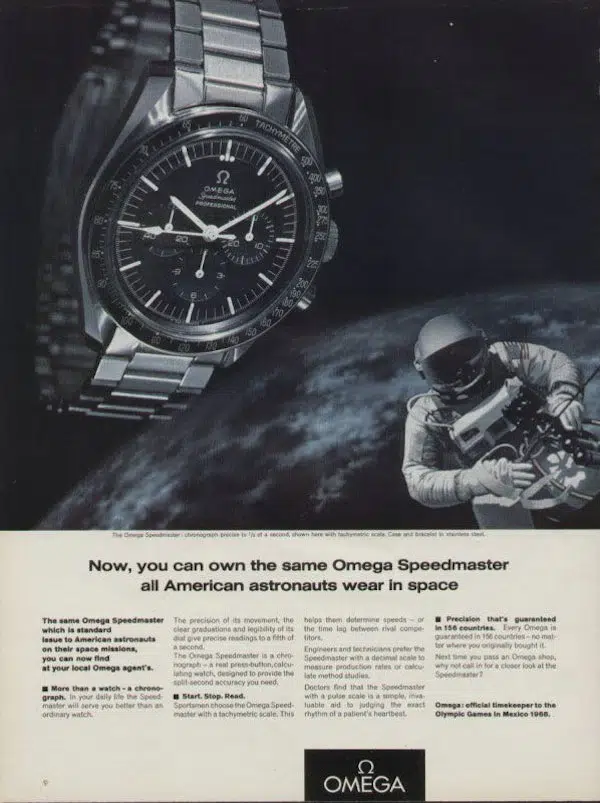
The clearest head-to-head sits between the Zenith Chronomaster and the Omega Speedmaster, since both trace back to 1969 and both remain each brand’s most recognizable chronograph. The Chronomaster runs the El Primero at 36,000 vibrations per hour, giving it a smoother sweeping seconds hand and tenth-of-a-second timing precision. The Speedmaster Professional runs a hand-wound movement with real space heritage, the same basic architecture that flew on the Moon.

The Chronomaster leans on movement technology, while the Speedmaster leans on story and recognition. A pre-owned Zenith Chronomaster and a pre-owned Speedmaster Professional often land in a similar price range, so the decision tends to come down to whether you want the faster-beating movement or the more widely known name.
Value Retention
Omega holds value more predictably across its lineup. Broad name recognition supports a wider buyer pool, and METAS certification reinforces demand for current references. Our guide to Omega resale value covers which references perform best.
Zenith’s resale picture is more reference-driven. El Primero-powered Chronomaster references, particularly those with the tri-color subdial layout collectors associate with the name, tend to hold up better than the brand’s simpler three-hand watches. Because Zenith carries less mainstream recognition than Omega, working with a buyer who understands the brand matters more when it comes time to sell.
For a buyer, that difference is worth weighing honestly. Omega is generally the more liquid, easier resale story. Zenith can hold its own at the reference level, especially on El Primero pieces, but the buyer pool is thinner and selling one takes more patience.

Which Should You Choose?
Choose Zenith if chronograph engineering and movement pedigree matter more to you than brand recognition, you like the idea of the El Primero’s high-frequency architecture specifically, and you are comfortable with a name that reads clearly to collectors more than to a general audience.
Choose Omega if you want broader recognition, METAS-certified accuracy and magnetic resistance across the current lineup, and a resale market that moves faster when you are ready to sell.
At Precision Watches, we can help either way. As an Authorized Omega Dealer, we carry the current lineup and can walk you through the collection, including the Speedmaster, in person. We also buy, sell, and trade pre-owned Zenith watches, so you can compare both brands without pressure. Browse our pre-owned Zenith collection, including the Zenith Defy line, or if you already own a Zenith and want to put its value toward something new, our team can help you sell your Zenith watch for a straightforward quote.
Zenith vs Omega FAQs
Is Zenith better than Omega?
Neither is simply better. Zenith offers a technically distinct high-frequency chronograph movement and a following concentrated among collectors. Omega offers broader recognition, independently certified accuracy, and stronger resale liquidity across its lineup. The right choice depends on whether you value chronograph engineering or recognition and resale ease more.
Which brand holds value better?
Omega holds value more predictably across its full lineup, thanks to broad name recognition and METAS certification. Zenith’s resale value is more reference-driven, with El Primero-powered Chronomaster pieces generally performing best.
Is the Zenith El Primero a good movement?
Yes. The El Primero was one of the first automatic chronograph movements ever produced, and its high-frequency 36,000 vibrations-per-hour architecture still delivers tenth-of-a-second timing precision, a genuine technical distinction within the chronograph category.
Is the Chronomaster or the Speedmaster the better watch?
Both are excellent. The Chronomaster offers a technically faster-beating movement and tenth-of-a-second precision. The Speedmaster offers real space heritage and broader name recognition at a similar price point. The right pick depends on whether you prioritize movement technology or story and recognition.
Which is a better first luxury watch?
Omega is the more common entry point, thanks to a lower price ceiling and a name that reads clearly outside the watch hobby. Zenith suits a buyer who already knows the category and wants a name built specifically around chronograph engineering.