


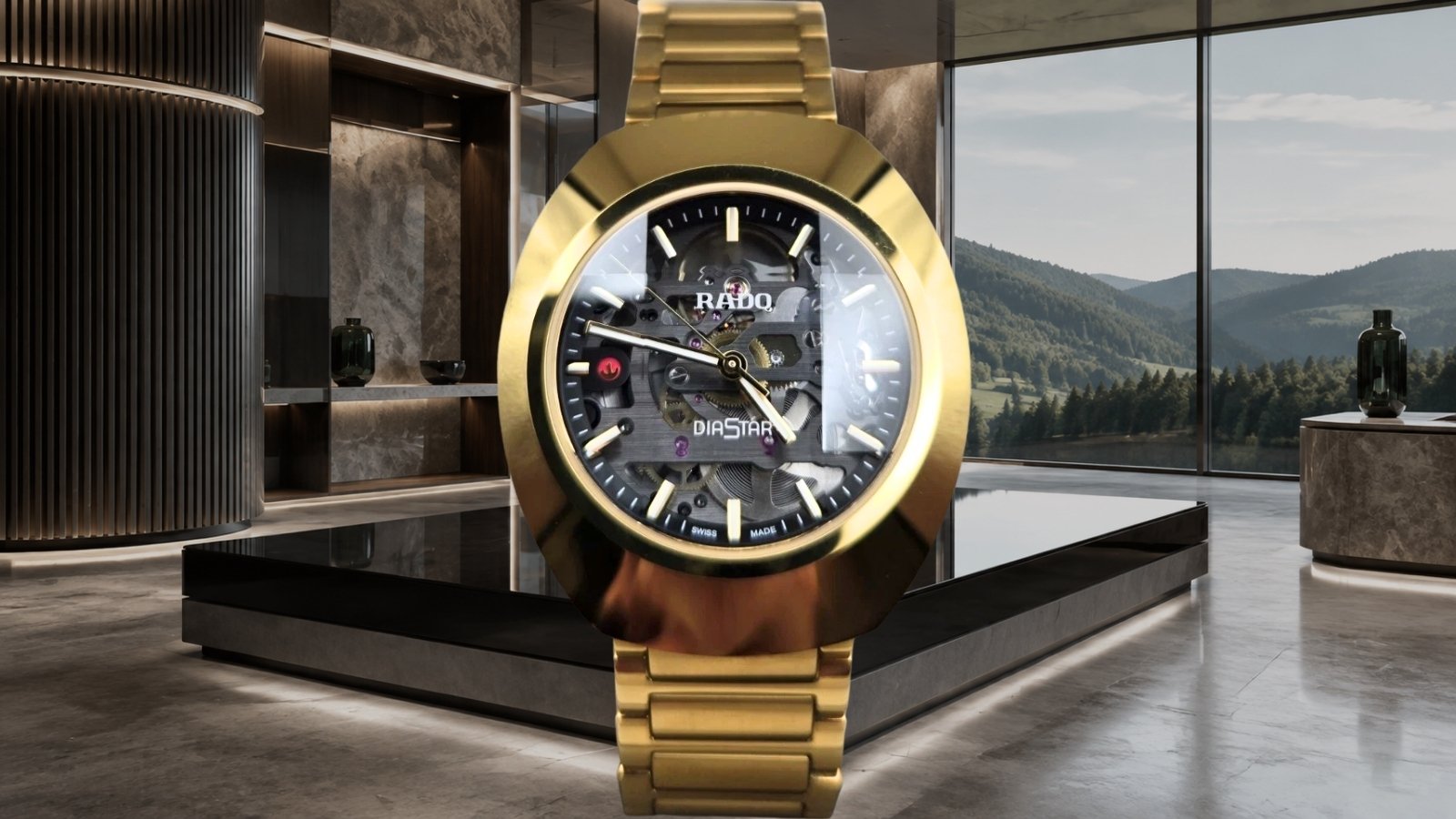
Rado resale value depends on the collection, the case material, and how complete the watch is, much like any other Swiss brand, but Rado brings one genuine differentiator into the conversation: a 100-plus year history built specifically around material science rather than classic complications. As a Swatch Group brand, Rado sits in an accessible price tier, yet its engineering story gives it more depth than the price point alone suggests.
That engineering identity shapes the resale market. A buyer researching Rado is often drawn specifically to the brand’s material innovation, high-tech ceramic, scratch-resistant coatings, and the DiaStar’s status as the world’s first scratch-proof watch, rather than to brand prestige alone.
This guide covers how Rado performs on the pre-owned market, which references tend to hold value best, what drives pricing up or down, and what to know if you are ready to sell your Rado watch.

Do Rado Watches Hold Their Value?
Rado watches hold value reasonably well within their price tier, with the Captain Cook, DiaStar, and HyperChrome lines carrying the most resale demand. These three collections represent Rado at its most recognizable, whether through vintage-inspired dive watch design or the brand’s signature material work.
Rado’s identity as a materials pioneer genuinely supports resale interest. The brand introduced the first scratch-proof watch in 1962, and that engineering-first reputation continues through modern high-tech ceramic cases that resist scratching in a way steel simply cannot. References that showcase this material story tend to attract stronger buyer interest than the brand’s simpler quartz options.
The honest answer is that Rado resale value rewards buyers who understand what they are looking at. A well-informed buyer knows Rado’s material science sets it apart from other brands at a similar price, and that knowledge supports fairer pricing than a generalist marketplace listing would.
Which Rado Watches Hold Value Best?
The Rado watches that hold value best tend to be the references most closely tied to the brand’s design and material identity.
Captain Cook: The Captain Cook is Rado’s vintage-inspired dive watch, first introduced in 1962 and revived in recent years to strong collector response. Its distinctive dial and case shape, paired with genuine dive watch history, make it the reference most likely to come up in a Rado watches search, and clean examples tend to be the steadiest sellers in the entire catalog.
DiaStar: The DiaStar holds a unique position as the world’s first scratch-proof watch, introduced in 1962 with a hardened metal case that established Rado’s entire brand identity. Its distinctive barrel-shaped case remains instantly recognizable, and its historical significance within the brand gives it lasting collector interest beyond current production trends.
HyperChrome: The HyperChrome showcases Rado’s modern ceramic case technology most directly, built around scratch-resistant high-tech ceramic in a range of colors. References with distinctive ceramic colorways tend to hold up better than the line’s simpler steel variants.
Beyond these three, the True Thinline and Centrix lines can also perform well, particularly for buyers drawn to Rado’s minimalist design language or its more contemporary sport-luxury positioning.
Which Rado Watches Depreciate the Most?
Some Rado watches lose more value from retail, and the reasons largely mirror what happens across accessible Swiss brands generally.
Simpler quartz references without a strong design identity tend to depreciate the most. A buyer researching Rado today is often specifically drawn to the brand’s material story or its Captain Cook heritage, so a basic quartz reference without either of those hooks carries less of the appeal driving current demand.
Discontinued dress references without a strong following among Rado collectors can also be slower sellers, since the brand’s more mainstream name recognition means a reference needs real design merit to hold buyer attention once it leaves current production.
What Affects Rado Resale Value?
Several factors combine to set the final offer on a pre-owned Rado watch.
Reference: The specific model matters more than the collection name. A Captain Cook and a simpler DiaStar quartz reference sell very differently, even within the same brand.
Material: Rado’s high-tech ceramic and scratch-resistant cases generally support stronger resale value than standard steel references, since the material itself is central to the brand’s story.
Condition: Case condition, dial finish, and bracelet or strap wear all move the number. Ceramic cases resist scratching far better than steel, which can actually work in favor of pre-owned Rado condition compared to other brands.
Box and papers: A complete set, including the warranty card, box, and manuals, adds real value and speeds up a sale.
Design identity: References tied to Rado’s design heritage, the Captain Cook’s dive watch history or the DiaStar’s scratch-proof legacy, generally outperform references without a clear story.
Is Rado Better to Buy New or Pre-Owned?
For most buyers, Rado is a strong pre-owned proposition. Because references trade below retail once they leave the showroom, buying pre-owned reduces the depreciation the next owner absorbs, particularly on Captain Cook and HyperChrome references.
Buying new still has real advantages, including full manufacturer warranty coverage and access to the newest ceramic colorways as they release. For buyers focused on value, though, pre-owned Rado watches often deliver more genuine material engineering for the money than a comparable new purchase.
How to Sell a Rado Watch
Selling a Rado starts with the reference, not the collection name alone. A Captain Cook, a vintage DiaStar, and a modern HyperChrome can carry very different value even within the same brand.
Before requesting a quote, gather everything that came with the watch, including the box, warranty card, and any service records. Then look closely at the condition. Case wear, bracelet or strap condition, and any missing accessories all factor into the final offer.
You can sell your luxury watch through Precision Watches, or explore trading your luxury watch toward something new if you would rather put the value toward another piece. Our watch repair shop can also help if your Rado needs servicing before you decide whether to sell.
Is a Rado Watch a Good Investment?
Rado is best purchased as a watch to wear, not as a guaranteed investment. The brand offers genuine material engineering at an accessible price, but most Rado references do not appreciate after purchase, and the brand’s more mainstream name recognition can make resale slower than a comparable watch from a more collector-focused Swiss house.
There are exceptions. Vintage DiaStar references, discontinued Captain Cook colorways, and distinctive ceramic HyperChrome pieces can attract stronger collector attention over time, particularly as more buyers discover Rado’s material science story.
The more useful framing is long-term ownership value. Buy the right reference at the right price, ideally pre-owned, and you get a genuinely innovative Swiss watch while limiting the depreciation risk that comes with buying new.
Sell or Trade Your Rado at Precision Watches
If you are ready to sell or trade a Rado watch, Precision Watches is a family-owned retailer near Philadelphia. Our team evaluates each watch by reference, material, condition, and current market demand, then gives you a straightforward offer.
Prefer to put the value toward something new? Browse our used luxury watches to see what else is currently available before you decide. If you are weighing Rado against other accessible Swiss names, our guide to Oris resale value covers a similarly engineering-focused independent brand.

Frequently Asked Questions About Rado Resale Value
Do Rado watches hold their value?
Rado watches hold value reasonably well for an accessible Swiss brand, with the strongest resale interest going to the Captain Cook, DiaStar, and HyperChrome lines, especially references that showcase Rado’s material innovation.
Which Rado watch holds its value best?
The Captain Cook generally holds value best as the brand’s most recognized reference, followed closely by the historically significant DiaStar and ceramic HyperChrome references, particularly with full box and papers.
Is Rado a good investment?
Rado is generally better viewed as a watch to wear rather than a guaranteed investment. Some vintage and discontinued references can perform well, but most Rado watches should not be bought expecting appreciation.
Where can I sell my Rado watch?
You can sell your Rado watch to a buyer who evaluates it at the reference level. Precision Watches buys, sells, and trades pre-owned Rado watches near Philadelphia and can quote your watch based on its exact model, material, and condition.


