Hesalite vs sapphire is a genuinely practical question for anyone shopping a Speedmaster, since Omega is one of the only major brands still offering an acrylic crystal on a current-production watch. Most of the watch industry moved to sapphire crystal decades ago, but the Moonwatch has kept hesalite as an option for a specific, well-documented reason.
This guide covers what each material actually is, why NASA’s testing shaped Omega’s choice, which current Speedmaster references use each crystal, and how to think about the tradeoff if you are deciding between the two.
What Is Hesalite?
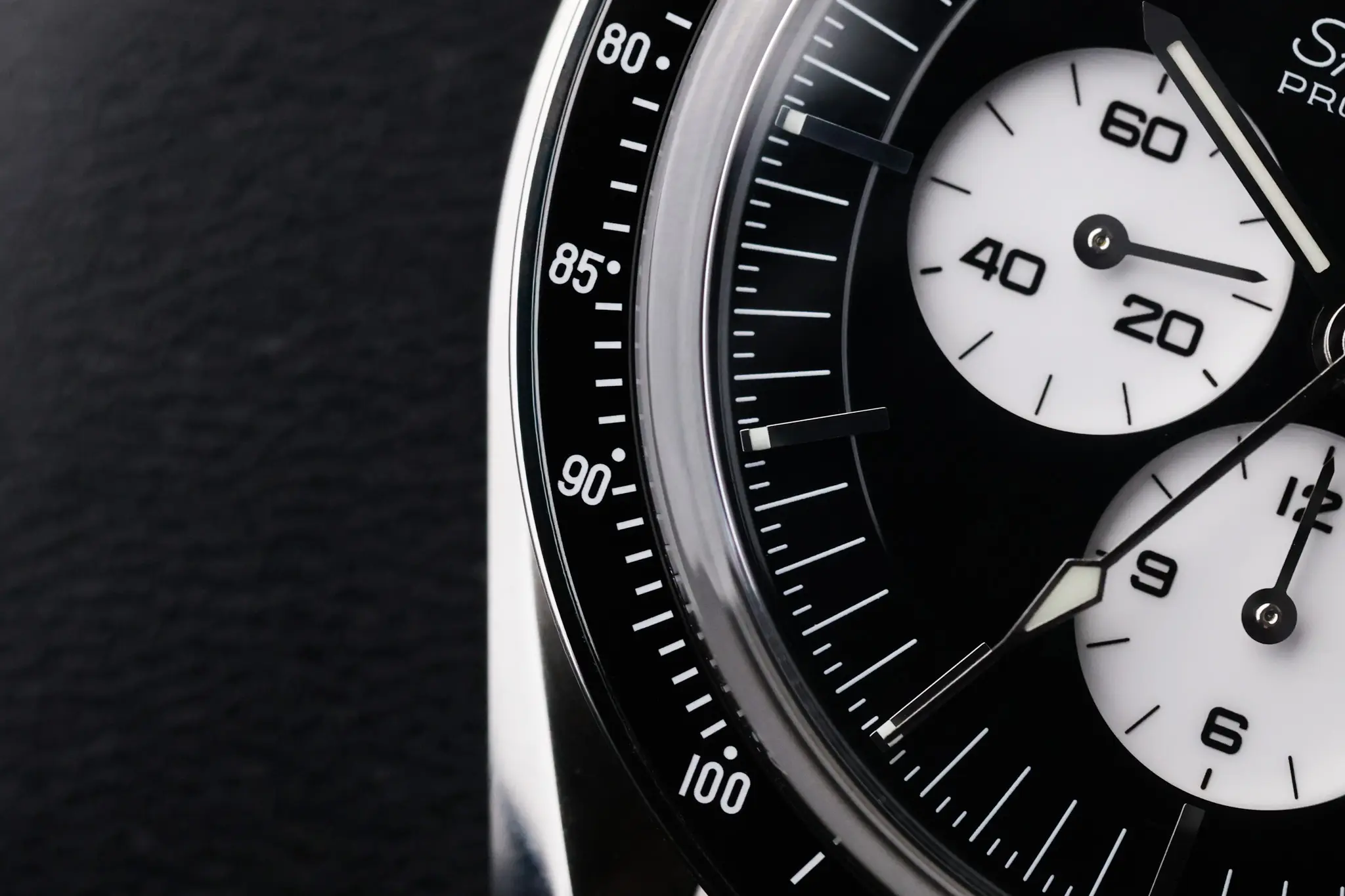
Hesalite is Omega’s name for a type of acrylic, essentially a durable, transparent plastic similar to what watchmakers call plexiglass or mineral crystal elsewhere in the industry. It is lightweight, shatter-resistant, and can be polished back to a clear finish with basic buffing if it picks up light scratches.
That last point matters more than it might sound. A sapphire crystal that shatters generally needs full replacement. A hesalite crystal that scratches can often be restored at home with a simple polishing kit, which is part of why the material has stuck around on the Moonwatch specifically.
What Is Sapphire Crystal?
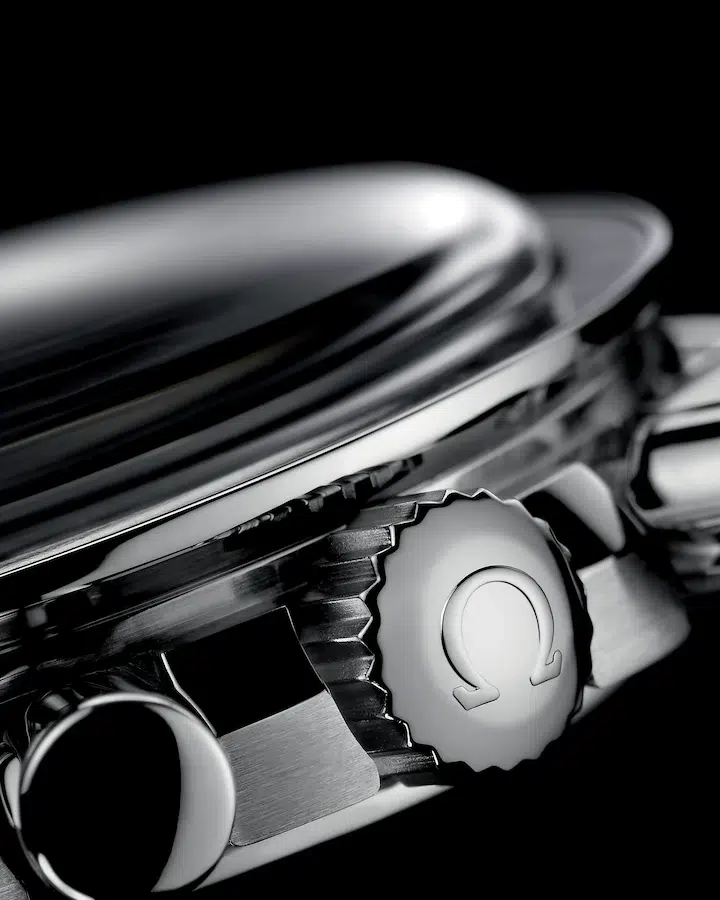
Sapphire crystal is synthetic corundum, grown in a lab and cut to shape, and it ranks near the top of the mineral hardness scale, just below diamond. That hardness makes it highly resistant to scratching from everyday wear, which is why the vast majority of modern watches, including most of Omega’s own current lineup, use it.
The tradeoff is brittleness. Sapphire resists scratches extremely well, but a sharp impact can crack or shatter it in a way a softer material might simply absorb. It also cannot be buffed out if it does pick up a scratch, since its hardness works against polishing the same way it works against everyday wear. If a crystal does need replacing, our Omega watch repair service can handle it properly rather than risk a poor aftermarket fit.

Why NASA’s Testing Still Matters
Omega’s continued use of hesalite traces back to 1965, when NASA tested watches from several brands for use during spaceflight. The Speedmaster passed a battery of tests simulating the extreme conditions of space, and its hesalite crystal played a real role in that result, since a shattered sapphire crystal in a pressurized spacecraft or during a spacewalk posed a genuine safety risk that a cracked but intact hesalite crystal did not.
That history is why Omega has kept hesalite available on the Speedmaster Professional Moonwatch ever since, even as the rest of the watch industry moved almost entirely to sapphire. Our guide to the Speedmaster’s timekeeping history covers this testing process and the watch’s space heritage in more depth.

Crystal Choice Also Decides the Caseback
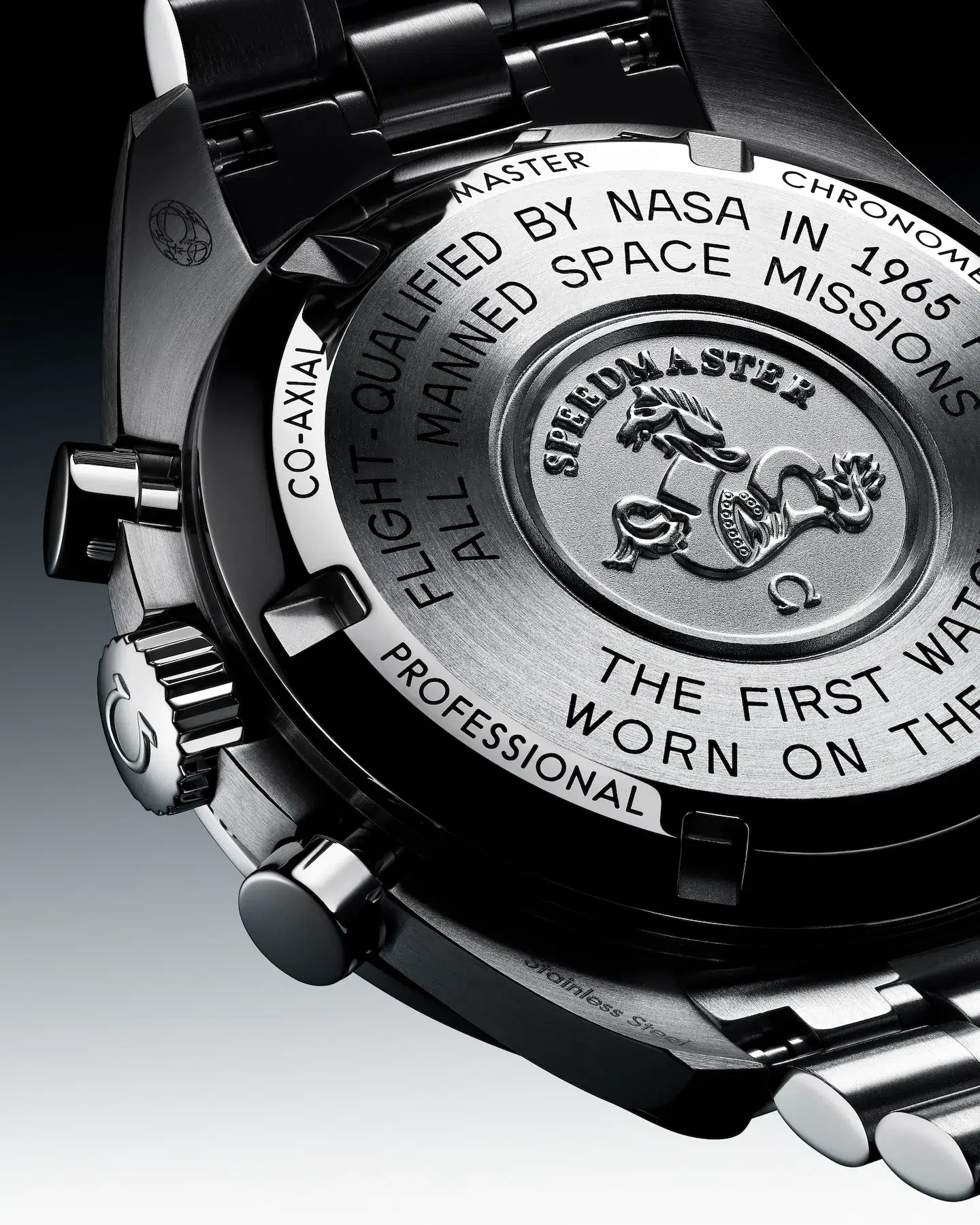
Choosing between hesalite and sapphire on a Speedmaster Professional Moonwatch decides more than what you see on the front of the watch. Hesalite models pair with a solid steel caseback, engraved with Omega’s Seahorse medallion and the watch’s NASA-flight inscription, keeping the movement fully enclosed.
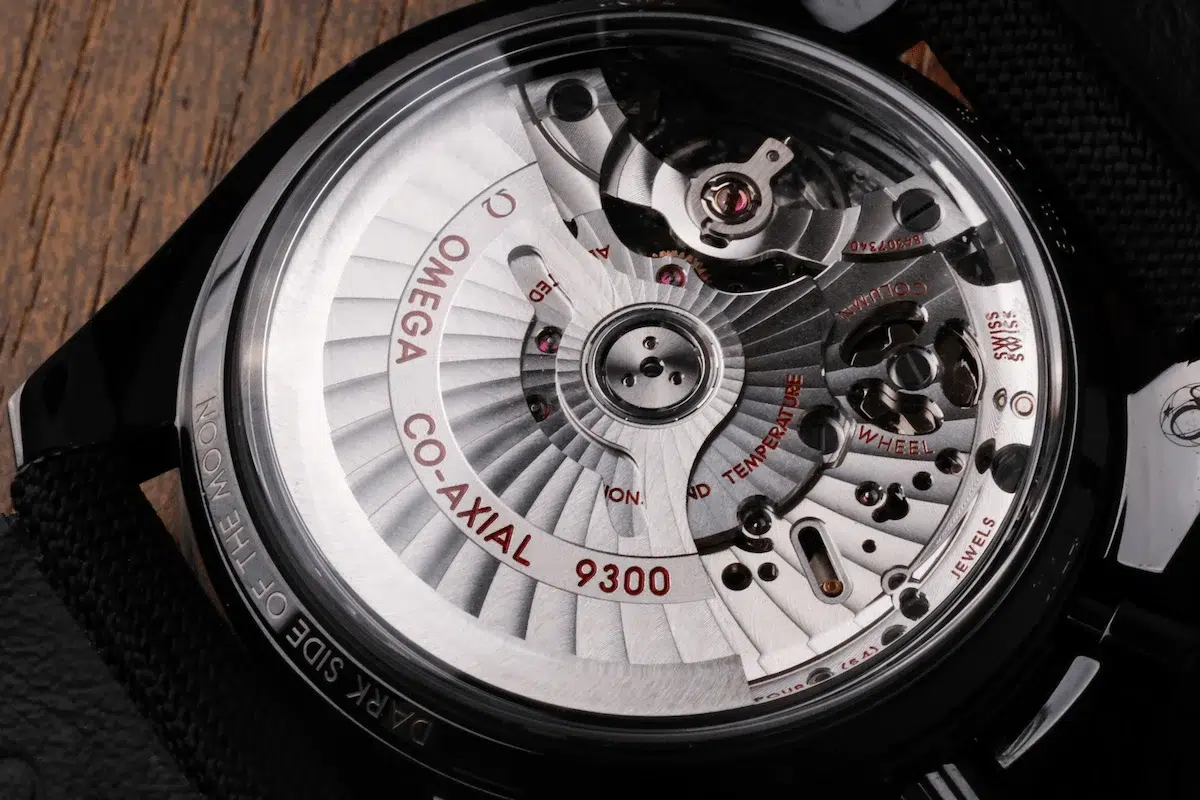
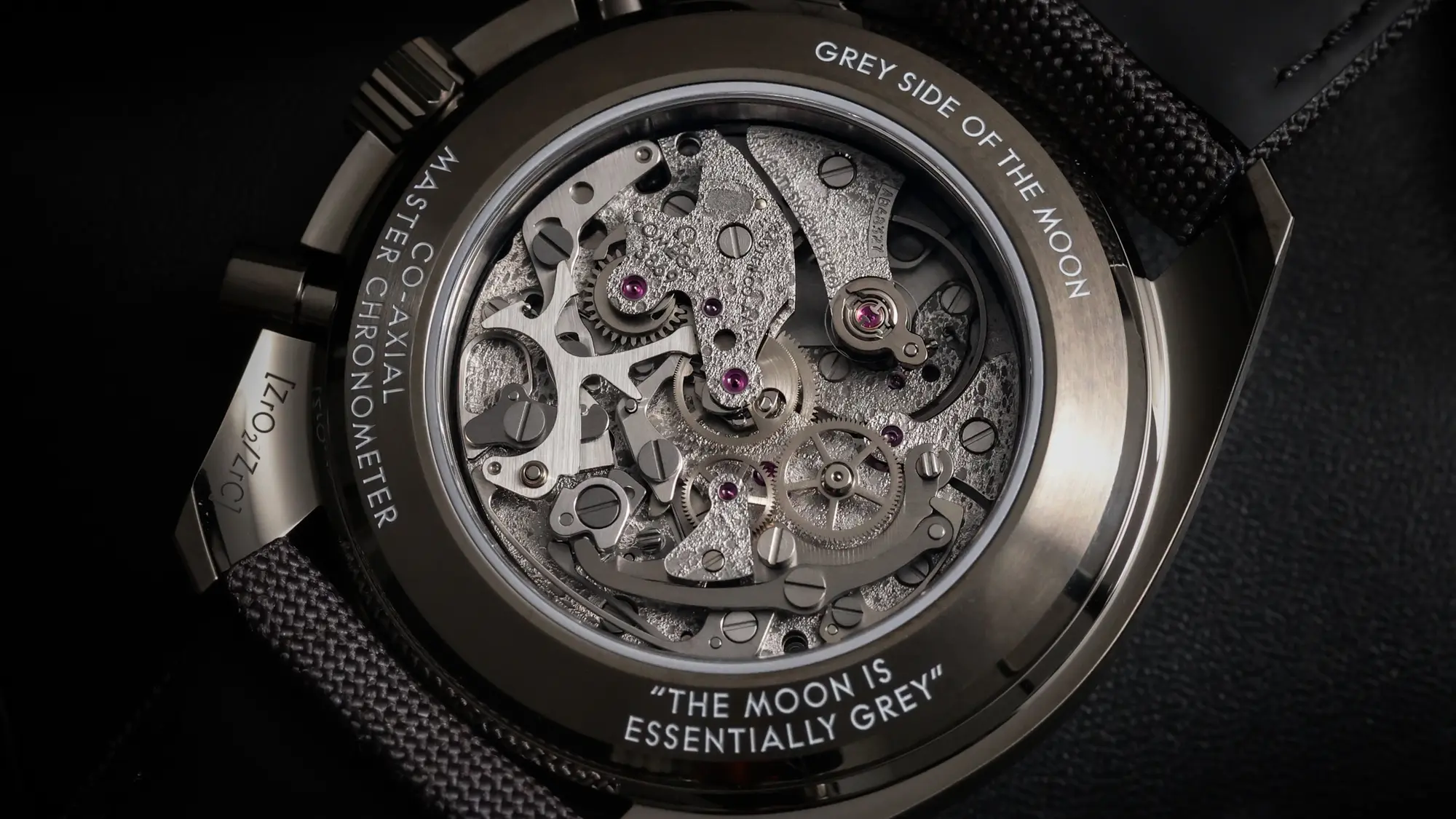
Sapphire versions typically come as what collectors call a “Sapphire Sandwich,” a nickname for the combination of a sapphire front crystal and a matching sapphire caseback that puts the movement on full display. Because that movement is visible rather than hidden, Omega finishes it more elaborately than the version sealed behind a solid steel back, even though both share the same underlying caliber architecture. The tradeoff is that a Sapphire Sandwich model wears slightly heavier than a hesalite model, since you are carrying two pieces of sapphire instead of one, and it typically costs more as well.
Which Speedmaster References Use Hesalite Today?
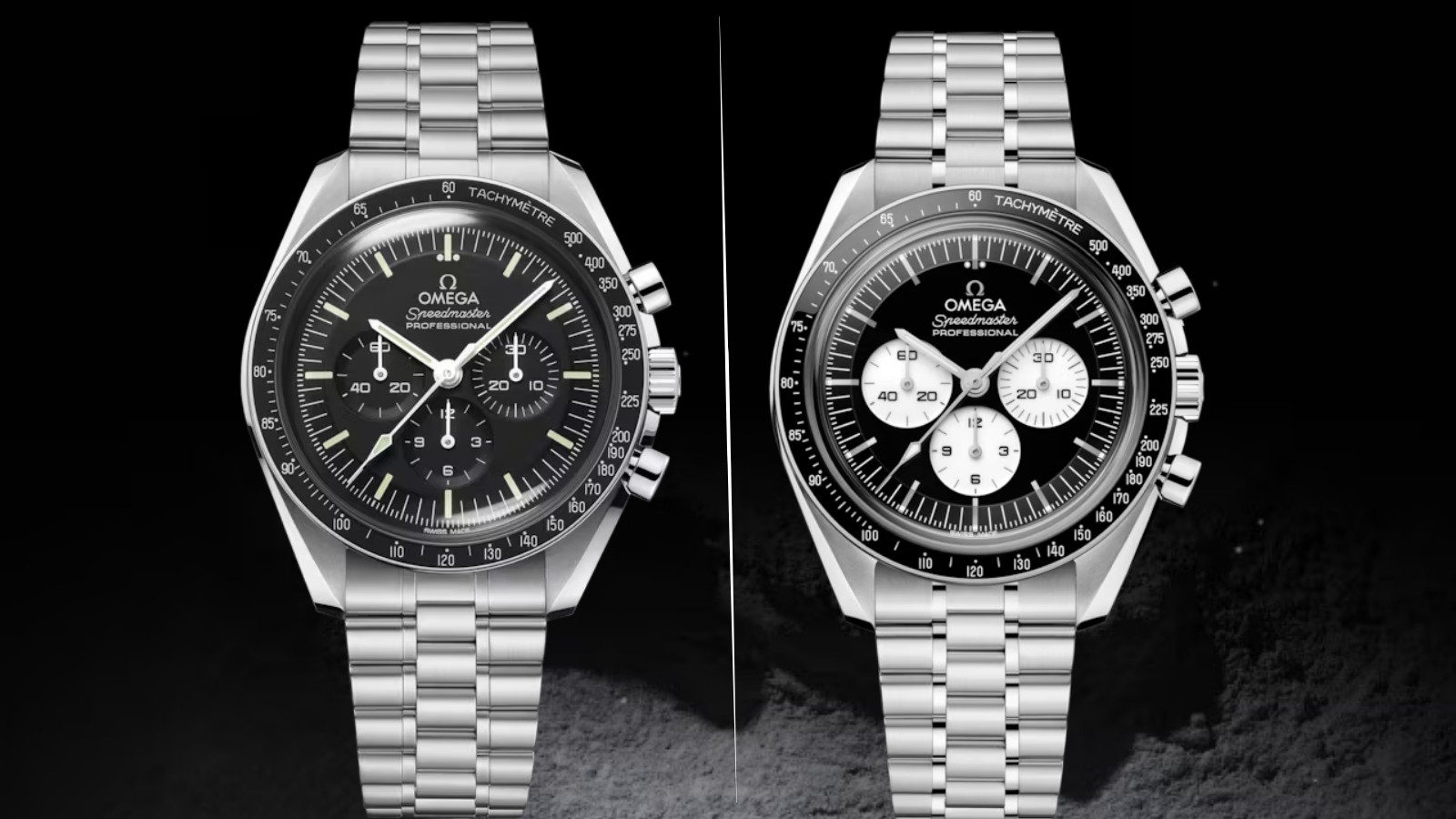
The classic steel Speedmaster Professional Moonwatch, the reference closest to what actually flew to the Moon, still ships with a hesalite crystal as standard. Omega markets this specifically as the “Moonwatch” experience, tied directly to the original spec.
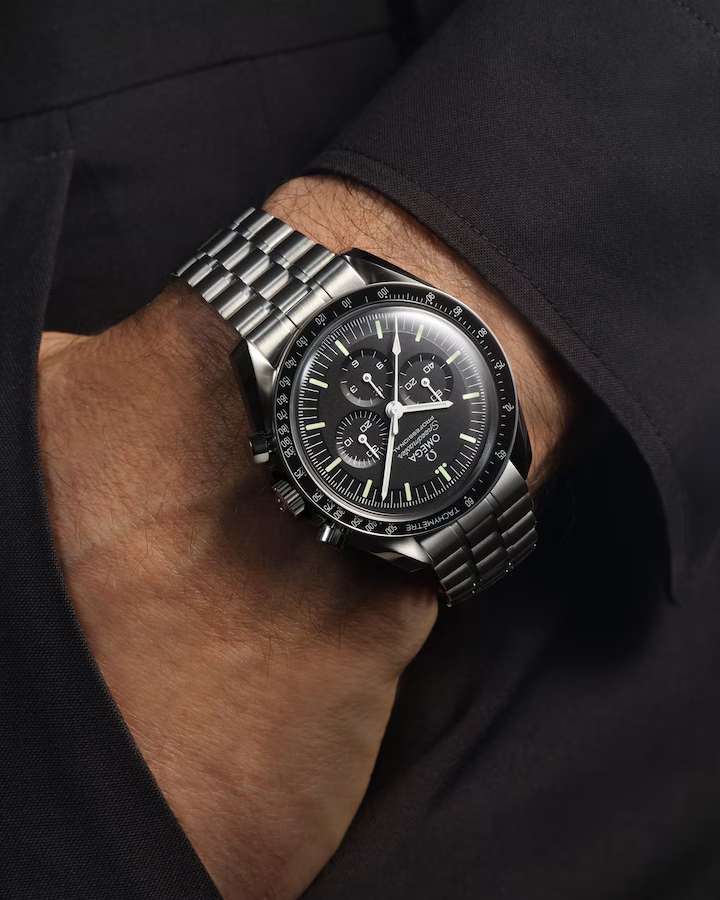
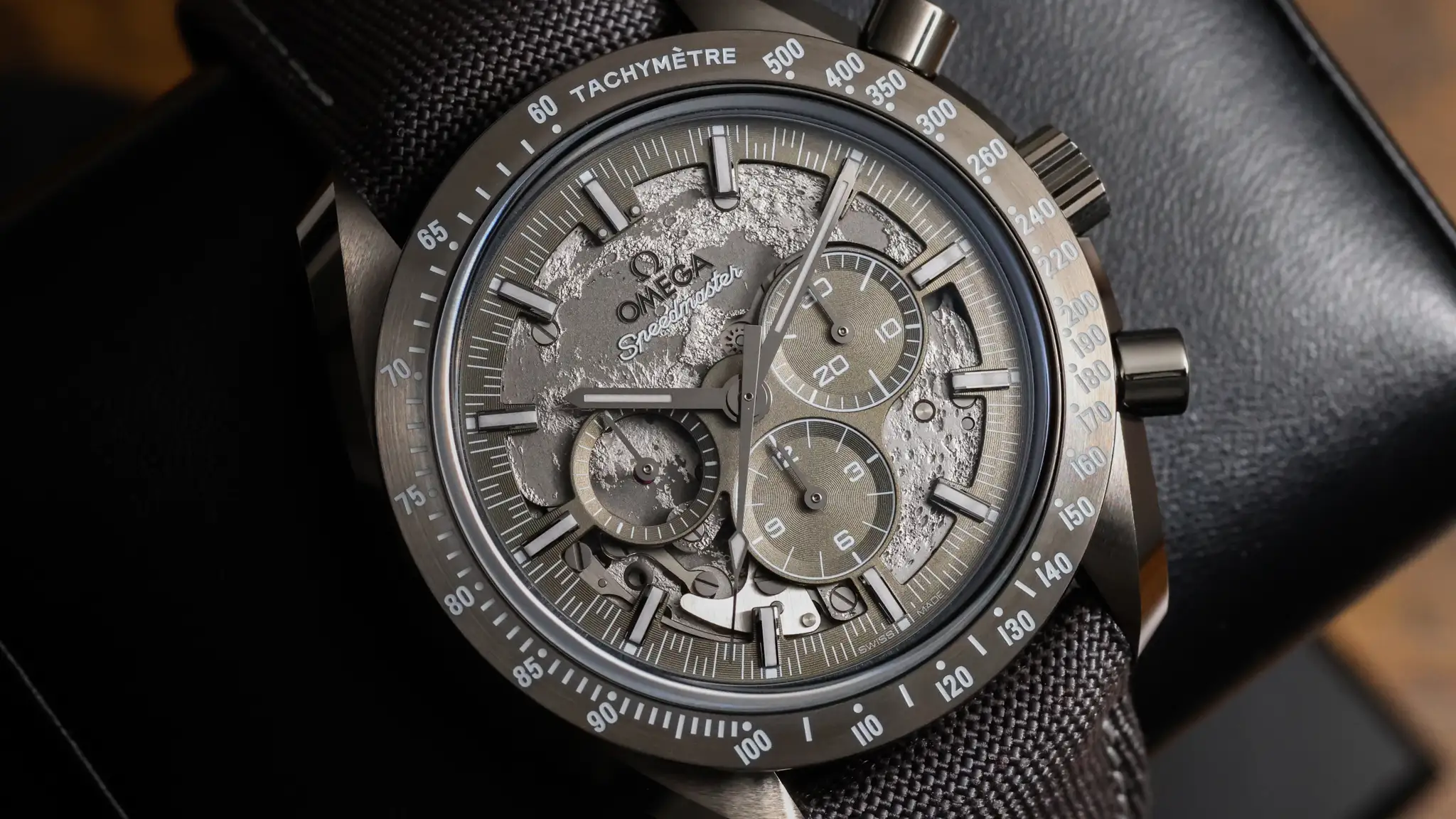
Other current Speedmaster references have moved to sapphire. Our Moonwatch Professional Gold review covers a precious metal reference that uses sapphire rather than hesalite, and our Dark Side of the Moon review covers a ceramic-cased Speedmaster built entirely around sapphire construction. If you want the full rundown of what is currently available across the collection, our Speedmaster Moonwatch guide breaks down every current reference and crystal option.
Hesalite vs Sapphire: Which Should You Choose?
Choose hesalite if you want the closest experience to the original Moonwatch that actually went to space, along with a crystal you can polish back to clarity yourself if it picks up light scratches over years of wear.
Choose sapphire if scratch resistance matters more to you day to day, and you would rather avoid ever seeing a mark on the crystal, accepting the tradeoff that a hard enough impact could crack it instead.
Neither choice is a mistake. Omega itself treats this as a genuine option rather than an upgrade path, which is part of why the debate has stayed alive within the Speedmaster community for decades.
See Both Options at Precision Watches
As an Authorized Omega Dealer near Philadelphia, Precision Watches carries the current Omega Speedmaster collection, including hesalite and Sapphire Sandwich versions of the Moonwatch side by side. If you want to compare crystal options in person before deciding, our team can walk you through both. We also carry the full range of Omega watches if you are exploring beyond the Speedmaster line.
Frequently Asked Questions About Hesalite vs Sapphire
Does hesalite scratch easily?
Yes. Hesalite is softer than sapphire and picks up scratches more easily during normal wear, but those scratches can typically be polished out with a basic acrylic polishing kit, unlike sapphire.
Can a sapphire crystal be scratched?
Sapphire crystal resists scratching extremely well due to its hardness, but it is not entirely scratch-proof and cannot be polished if it is damaged. A crack or shatter from impact generally requires full replacement.
Why does Omega still use hesalite on the Moonwatch?
Omega has kept hesalite on the Speedmaster Professional Moonwatch since NASA’s 1965 testing showed the material held up safely under the extreme conditions of spaceflight, unlike sapphire, which posed a shattering risk in a pressurized environment.
What is a Sapphire Sandwich Speedmaster?
A Sapphire Sandwich is the collector nickname for a Speedmaster with both a sapphire front crystal and a matching sapphire caseback, letting you see the movement while keeping the same crystal material on both sides of the watch.
Is sapphire better than hesalite?
Neither is simply better. Sapphire offers superior scratch resistance, while hesalite offers better impact resistance and can be polished if scratched. The right choice depends on whether you value a scratch-free look or genuine durability under impact more.